#EBART2026
More than 2,000 attendees from 52 countries took part in EBART 2026
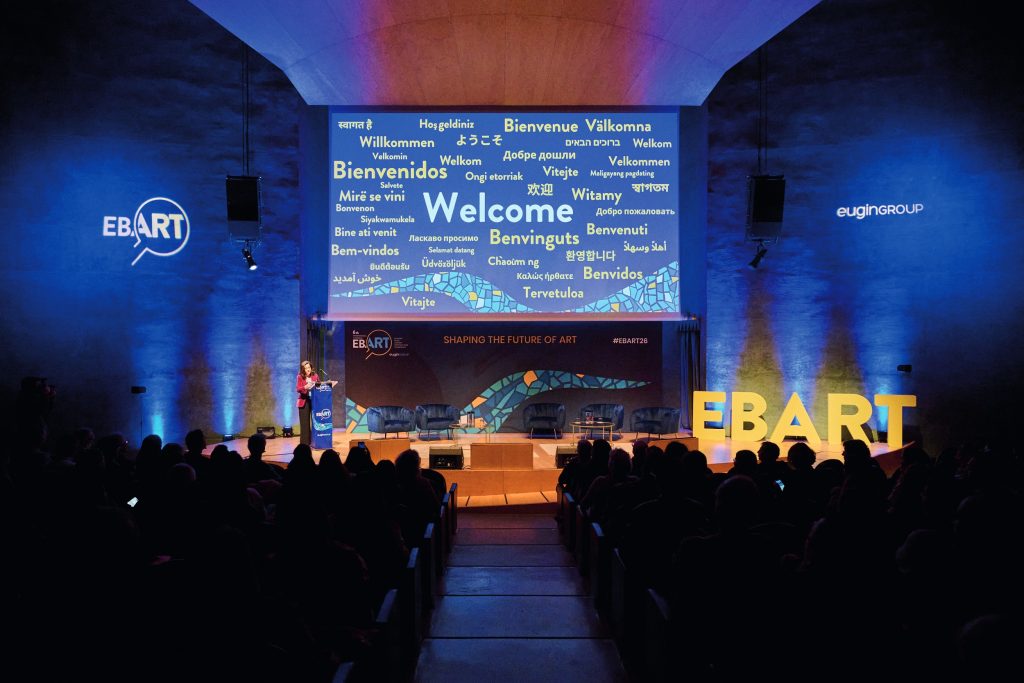
The sixth edition of the international EBART (Evidence-based Assisted Reproduction Technology) Congress, organized by the Eugin Group, brought together more than 2,000 professionals from 52 countries, both in Barcelona and online, on April 23–24, 2026.
Celebrating its 10th anniversary, EBART 2026 once again became an international meeting point for leading specialists in reproductive medicine, offering two days of scientific debate, knowledge sharing and discussions on the latest developments in assisted reproductive technology (ART).
The scientific programme featured eight sessions exploring some of the most relevant challenges and innovations in reproductive medicine, including artificial intelligence, embryo–endometrium interaction, male infertility, reproductive genetics, in vitro gametogenesis and the accessibility of IVF innovations.
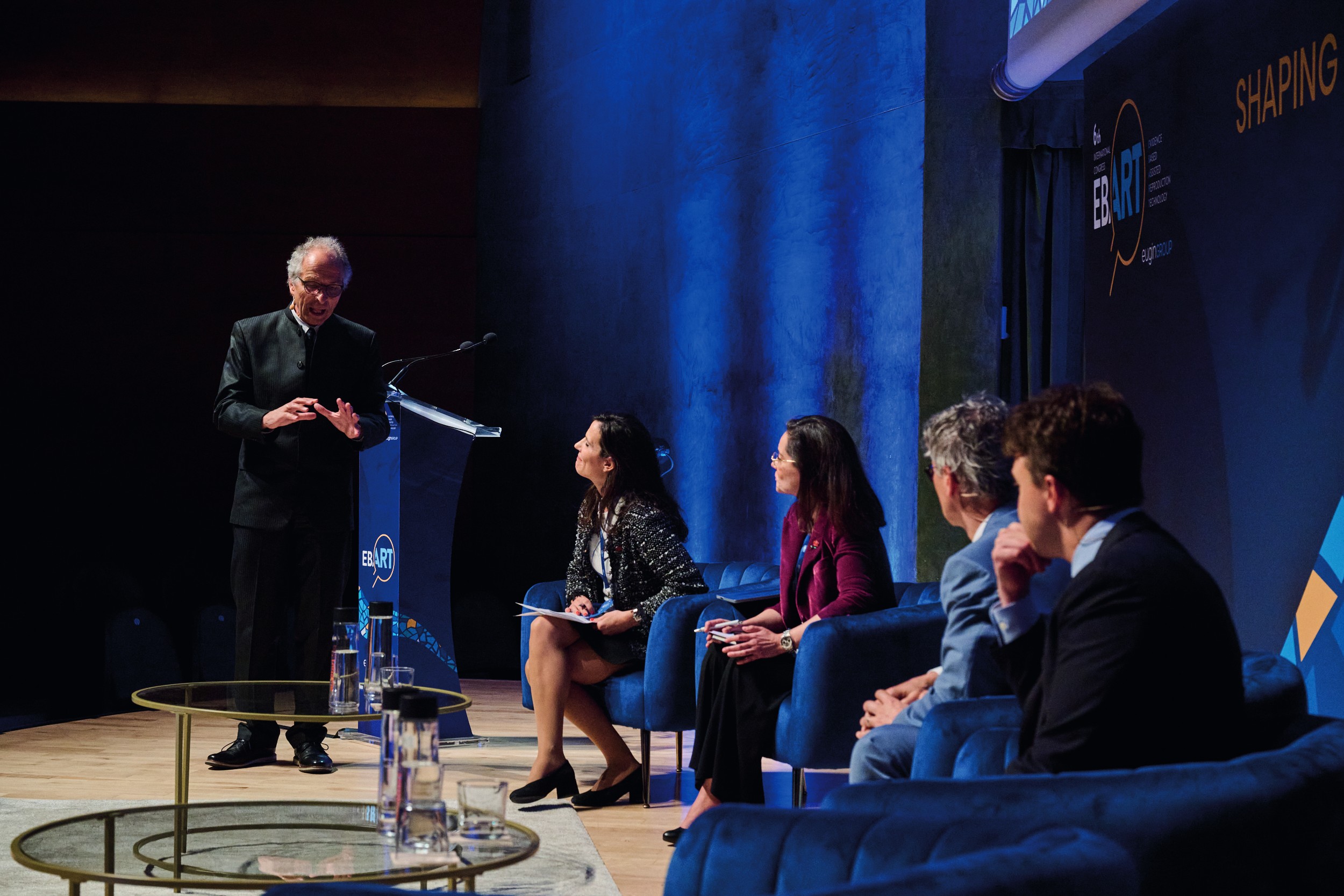
One of the most memorable moments of this edition was the participation of Louise Brown, the world’s first person born through IVF, who joined Dr Amelia Rodríguez-Aranda, Mats Brännström and Peter Humaidan on stage for a special discussion about the evolution of assisted reproduction since the birth of the first IVF baby in 1978.
Her participation provided a unique opportunity to reflect on the remarkable scientific progress achieved over the past decades and the challenges that lie ahead.
Throughout the congress, internationally renowned experts exchanged perspectives on how scientific innovation, emerging technologies and ethical considerations are shaping the future of fertility care.
EBART 2026 reaffirmed its commitment to promoting evidence-based medicine, encouraging international collaboration and advancing scientific knowledge to support the continued evolution of assisted reproduction.
What topics were discussed?
For its sixth edition, EBART structured the scientific programme around eight major themes:
- Artificial intelligence in ovarian stimulation, exploring the role of AI in clinical decision-making and treatment protocols.
- The endometrium–embryo dialogue, examining the complex interactions involved in embryo implantation.
- The uterus in 360°, discussing uterine factors and their impact on reproductive outcomes.
- Advances in male infertility, reviewing current approaches and opportunities to improve male-factor fertility care.
- Training future leaders in an AI-assisted world, addressing how artificial intelligence is transforming education and professional development in reproductive medicine.
- The ethical challenges of reproductive genetics, exploring the scientific and ethical questions surrounding the possibility of designer babies.
- In vitro gametogenesis, discussing the potential, limitations and future implications of this emerging technology.
- Accessibility of IVF innovation, examining whether advances in assisted reproduction are reaching patients equitably.
With specialists participating from 52 countries, EBART 2026 provided a global platform for scientific exchange, bringing together different perspectives on the clinical, technological and ethical challenges facing reproductive medicine.
The congress concluded by reinforcing the importance of international collaboration and evidence-based innovation in shaping the future of assisted reproduction.
The next edition, EBART 2028, will take place on April 20–21, 2028, in Barcelona and online.
VIDEOS